


Your Current HGH Level



Your real injectable HGH level can only be confirmed by doing blood tests.
Are you experiencing the opposite of what higher levels of Real Injectable Human Growth Hormone reportedly promotes? If so, you might want to have your Real Injectable HGH levels tested. Children with growth hormone deficiency have experienced the adverse side effects of aging.
Results of restoring (or having) Real Injectable HGH secretion at/to youthful levels:
Higher energy levels: One of the main reasons older men and women feel so tired is declining human growth hormone levels, believe it or not. This is because the hormone is directly tied to metabolism.
When you have low HGH levels, the body cannot efficiently convert fat into usable energy. Your fat-burning potential lessens, and this makes you more tired AND overweight. This leads to more calories being stored as fat. Yuck! HGH injections keep your metabolism running smoothly and efficiently.
HGH also enhances lean muscle mass, increasing oxygen bioavailability for your cells. More oxygen makes your cells work better, leading to increased cellular metabolism.
Decreased fat, especially in the abdominal area, without dieting, more significant decrease with dieting: Avoid obesity with HGH injections, seriously. It's no coincidence that when men and women hit thirty, they tend to start to pack on the pounds or get mom bods and dad bods, and this is also when HGH levels start to decline, known as somatopause when levels get super low.
As stated previously, HGH plays a huge role in cellular and body fat metabolism. Human growth hormone encourages the body to work at its ideal capacity by burning excess calories and not storing them as body fat. HGH also stimulates fat cells to metabolize triglycerides, leading to body fat breakdown.
Increased muscle mass without exercise, more significant increase with exercise: Human growth hormone is often chosen by athletes over steroids or  testosterone. This is because it increases muscle mass without the sometimes-nasty side effects or traditionally used steroids (ahem, roid rage).
When muscle cells are growing, after a heavy strength workout, the cells replicate and grow new tissue. This cannot happen without human growth hormone. Human growth hormone's fat-burning capabilities help the body burn fat, leaving behind lean muscle that looks toned and healthy.
Reduced appetite: HGH helps to optimize the body's metabolism, using up the calories and not letting any go to waste, which leads to a reduced appetite because the body is satiated and nourished.
All the energy it could glean from the food was burned and used, whether in everyday activities or the gym. Therefore, your body will not be asking for more food as often. This contributes to the weight loss-boosting effects of growth hormone replacement therapy.
Increased memory: With HGH deficiency, patients experience cognitive decline with brain fog, forgetfulness, loss of focus, and general mistakes with everyday tasks. Studies have shown that people with adequate HGH levels have better memory and that HGH can stimulate the formation of new nerve cells, especially in the hippocampus area, the learning and memory portion of the brain.
Enhanced sexual performance: Another indicator that something is wrong with your hormones is erectile dysfunction or sexual issues in general. Human growth hormone plays a role in sexual function because it improves circulation at optimal levels. Good circulation is imperative for getting and maintaining erections and female sexual arousal. Low levels of growth hormone cause poor circulation.
Women need increased blood flow to become aroused, produce lubricating fluid, and feel sexual pleasure. If a woman is not enjoying sex, why would she want to do it? It's essential for both men and women, especially as they get older, to look out for intimacy issues and check their hormone levels at the first sign of a problem.
- Thicker skin and wrinkle reduction or removal. One of the hallmarks of aging is our skin. Simply put, our surface appearance often reflects our internal health. A healthy skin tone implies good circulation and youthful vigor. A crucial point considering skincare is this: as important as topical creams and gels are, we cannot overlook boosting skincare internally, which is what HGH does.
- Superior immune function. Another symptom of aging is a weakened immune system. Without a robust immune system, we are at the mercy of whatever affliction is in the environment. HGH acts as a moat to protect against a broad range of diseases.
- Improved sleep. Getting deep, restorative sleep is unquestionably one of the most crucial elements of maintaining excellent health. Regrettably, the importance of prioritizing sleep is also often ignored or neglected. This is another area where HGH delivers life-changing benefits. HGH helps you get to sleep and, as important, improves the quality of your sleep as well as the quantity.
- Improved cholesterol profile, with higher HDL and lower LDL. As we age, our cholesterol levels creep up silently with devastating consequences. HGH helps to boost HDL cholesterol levels (the "good cholesterol") and lower LDL cholesterol levels (the "bad cholesterol") by boosting energy levels to get us moving and improve our circulation,
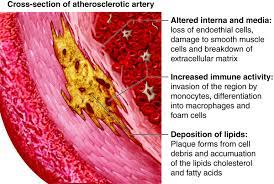 which kicks bad cholesterol out the door.
 - Stronger bones. Osteoporosis is a hideous condition that wreaks havoc on our quality of life. Here is another area where HGH shines due to getting us exercising and strengthening our bones.
- Hair re-growth after thinning or partial loss due to aging and restoring hair color. Loss of hair and our natural hair color is another unwelcome development of aging that HGH attacks with a vengeance. This may be due to HGH hydrating and softening the skin.
- Elimination of cellulite. The appearance of cellulite is another unpalatable gift of "old-man aging." Here again, we often see HGH come to the rescue. How does HGH reduce cellulite? As with our hair, the key is HGH's effect on the skin. Due to increased HGH, new life is often pumped into our skin cells by increasing Insulin Growth Factor 1 (IGF-1). Also, HGH melts fat and boosts collagen production, two critical developments that show cellulite the exit door.
- Increased exercise performance. Here is a simple equation: better sleep = more energy = increases the desire and ability to begin an exercise routine. This equation is a reminder of the synergistic benefits of HGH restoration.
- Sharper vision. Another one of aging's gifts is diminished vision. As best, this development is an inconvenience. At worst, it may cause severe loss of vision that may require surgery. HGH can help slow down this nightmare by strengthening our muscles and cells, including the eye's pupils.
- Mood elevation. An overall surge in our mental outlook is another of the miracles that HGH delivers. More than 2,500 years ago, the ancient greeks understood the connection between the body and the mind, which is as accurate today as it was then. It is really a no-brainer...the better we feel physically, the better our moods will be.
- Better kidney function. Kidney disease has been linked to low HGH levels.
- Lowered blood pressure. HGH can lower blood pressure by escalating IGF-1, which improves nitric oxide performance and relaxes the smooth muscle cells in our arteries. The result is lower blood pressure, which is a life-saving development for many people.
- Re-growth of heart, liver, spleen, kidneys, and other organs that shrink with age. Aging increases fat and shrinks muscles and organs.HGH attacks all three of the unwanted guests.
- Greater cardiac output. HGH improves heart health for many reasons: lower blood pressure, elevated HDL cholesterol levels, lower LDL cholesterol levels, better sleep, more exercise, skyrocketing energy, and a revitalized mental outlook that lowers stress.
- Faster wound healing. IGF-1 increases cellular growth and collagen balance. Growth hormone increases HGF-1.
Contact us for a FREE, no-obligation discussion concerning the incredible benefits of Human Growth Hormone (HGH) Restoration Therapy!
- 0001) What Is Adrenal Fatigue [Last Updated On: May 20th, 2025] [Originally Added On: October 23rd, 2020]
- 0002) Understanding Thyroid Function And Diagnosing Thyroid Issues [Last Updated On: May 21st, 2025] [Originally Added On: October 24th, 2020]
- 0003) Twelve Steps To Enhance And Preserve Your Memory [Last Updated On: January 8th, 2026] [Originally Added On: October 25th, 2020]
- 0004) The Psychological And Physiological Effects Of Serotonin [Last Updated On: January 7th, 2026] [Originally Added On: October 26th, 2020]
- 0005) The Facts About Psoriasis: Symptoms And Causes [Last Updated On: January 6th, 2026] [Originally Added On: October 27th, 2020]
- 0006) The Facts About Acromegaly [Last Updated On: May 24th, 2025] [Originally Added On: October 28th, 2020]
- 0007) The Effects Of Hgh Deficiency Upon One Of A Pair Of Twins [Last Updated On: January 5th, 2026] [Originally Added On: October 29th, 2020]
- 0008) Resveratrol Anti-aging Supplementation For Longevity [Last Updated On: May 19th, 2025] [Originally Added On: October 30th, 2020]
- 0009) Sermorelin Acetate Injections With Ghrp-6 [Last Updated On: February 18th, 2025] [Originally Added On: October 31st, 2020]
- 0010) Melatonin The Sleep Hormone How It Impacts Your Health [Last Updated On: May 26th, 2025] [Originally Added On: November 1st, 2020]
- 0011) Mark Cuban To Fund Study On Healing Power Of Hgh [Last Updated On: May 27th, 2025] [Originally Added On: November 2nd, 2020]
- 0012) Mark Cuban Advocates For Hgh As A Rehab And Recovery Tool [Last Updated On: January 4th, 2026] [Originally Added On: November 3rd, 2020]
- 0013) Leptin Hormone Guide: The Effects Of The Satiety Hormone [Last Updated On: January 3rd, 2026] [Originally Added On: November 4th, 2020]
- 0014) Human Growth Hormone Deficiency Impact On Sleeping Habits [Last Updated On: January 2nd, 2026] [Originally Added On: November 5th, 2020]
- 0015) Human Growth Hormone And Liver Regeneration [Last Updated On: January 1st, 2026] [Originally Added On: November 6th, 2020]
- 0016) Hgh Treatment For Fatty Liver Disease On The Horizon [Last Updated On: February 17th, 2025] [Originally Added On: November 7th, 2020]
- 0017) Ghrelin The Hunger Hormone [Last Updated On: December 31st, 2025] [Originally Added On: November 9th, 2020]
- 0018) Enclomiphene Citrate Andropause Treatment Up For Fda Approval [Last Updated On: December 30th, 2025] [Originally Added On: November 10th, 2020]
- 0019) Dopamine Pleasure Hormone And So Much More [Last Updated On: April 26th, 2025] [Originally Added On: November 11th, 2020]
- 0020) Diabetes Cure On The Horizon [Last Updated On: December 29th, 2025] [Originally Added On: November 12th, 2020]
- 0021) Boost Metabolism To Lose Weight And Maintain Weight Loss [Last Updated On: December 28th, 2025] [Originally Added On: November 13th, 2020]
- 0022) Andropause A Mid-life Hormone Crisis [Last Updated On: February 18th, 2025] [Originally Added On: November 14th, 2020]
- 0023) SOGROYA INJECTIONS FOR HUMAN GROWTH HORMONE DEFICIENCY [Last Updated On: February 19th, 2025] [Originally Added On: March 24th, 2021]
- 0024) How Do High and Low Estrogen Impact Male Health and Wellness? [Last Updated On: February 9th, 2025] [Originally Added On: April 2nd, 2021]
- 0025) The Effects Of Hormone Imbalance On Belly Fat [Last Updated On: February 18th, 2025] [Originally Added On: May 8th, 2021]
- 0026) Could Sunlight Help Remove Rogue Hormones from the Water Supply? [Last Updated On: February 20th, 2025] [Originally Added On: May 29th, 2021]
- 0027) Weekly HGH Therapy Just as Effective as Daily Injections [Last Updated On: April 4th, 2025] [Originally Added On: June 18th, 2021]
- 0028) DHEA and Testosterone: A winning team! [Last Updated On: February 14th, 2025] [Originally Added On: January 19th, 2022]
- 0029) Animal Research Discovers Link Between Exercise, HGH, and Cognitive Ability [Last Updated On: February 14th, 2025] [Originally Added On: May 20th, 2022]
- 0030) Weekly Hormone Treatments for Adult HGH Deficiency with Sogroya [Last Updated On: February 18th, 2025] [Originally Added On: June 14th, 2022]
- 0031) Ancient Critters Made Human Hormone System What It Is Today [Last Updated On: March 13th, 2025] [Originally Added On: June 26th, 2022]
- 0032) How Substance Abuse Can Affect Your Hormone Levels [Last Updated On: March 16th, 2025] [Originally Added On: August 4th, 2022]
- 0033) A Holistic Approach to Health and Water Safety [Last Updated On: January 28th, 2026] [Originally Added On: February 7th, 2025]
- 0034) Understanding the Role of Sogroya in Adult Human Growth Hormone (HGH) Deficiency Treatment [Last Updated On: February 12th, 2025] [Originally Added On: February 11th, 2025]
- 0035) Andropause: An Examination of Mid-life Hormonal Shifts in Males [Last Updated On: February 16th, 2025] [Originally Added On: February 13th, 2025]
- 0036) Sermorelin Acetate Therapy: A Comprehensive Insight into its Benefits with GHRP-6 [Last Updated On: February 17th, 2025] [Originally Added On: February 14th, 2025]
- 0037) The Dynamic Duo of Male Vitality: Testosterone and DHEA [Last Updated On: February 14th, 2025] [Originally Added On: February 14th, 2025]
Word Count: 1318

