


Hormone Replacement Therapy Protects The Minds Of Hgh Deficient Patients


Hormone Replacement Therapy
HGH Levels
Cognitive Issues Related to Low HGH Levels May Be Alleviated by Early HGH Hormone Replacement Therapy
Researchers have found that, if used early in the lifespan, Human Growth Hormone Replacement Therapy can stave off age-related cognitive decline in rats with HGH Deficiency.
One significant symptom of Human Growth Hormone Deficiency is that patients begin to suffer from issues with memory later in life. This is the first study 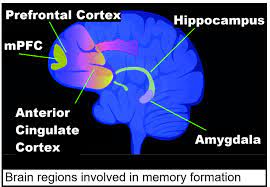 to show that individuals that have their Hormone Deficiency corrected early do not suffer the same issues with cognitive decline as their counterparts that do not receive treatment. This research was released in the Journal of Endocrinology.
HGH Through the Lifespan
Usually, Human Growth Hormone Levels always follow the same similar track. Early in life, HGH Levels are pretty low and slowly rise over time. Just as puberty begins, HGH Production skyrockets, and we grow taller and broader. Throughout puberty, HGH Levels remain quite high, and it remains so until the end of puberty.
As we enter our late teens and early twenties, Growth Hormone Levels plateau, and we maintain a still-significant production level through the twenties. As we reach our thirties, however, HGH production starts to decline at a rate of between one or two percentage points per year.
Human Growth Hormone Deficiency can occur at any age and for a number of different reasons. Some children are born with an HGH Deficiency, whereas others develop the condition during childhood. Other patients experience Adult-Onset HGH Deficiency due to a number of medical disorders or physically traumatic experiences, sometimes due to aging.
Growth Hormone Deficiency can also occur as a natural result of the aging process. Some men and women are more sensitive to the natural biological changes associated with Low Growth Hormone Levels and experience symptoms that require treatment to restore Natural Hormone Balance.
For decades, HGH Hormone Replacement Therapy has been available for children suffering from Growth Hormone Deficiency during childhood and puberty. Growth Hormone Injections can increase height and body size for these children, preventing them from missing the growth spurt associated with puberty.
Study Connects Childhood HGH and Adult Performance
However, until this study was released, there has been no clinical research regarding how HGH Hormone Injections affect cognitive ability in adulthood. It has been hypothesized in the past that Human Growth Hormone HRT may have the ability to restore memory and enhance learning capacity in adult patients that experienced HGH Deficiency in their youth.
The study discussed in this article was performed as a joint venture between The Reynolds Oklahoma Center on Aging and the Wake Forest University Medical School. The primary researcher in this study is Dr. Michelle Nicolle.
The laboratory rats in this study were bred to secrete significantly low HGH levels to mirror the effects of Early-Onset HGH Deficiency. To gauge the cognitive memory of the rats, they utilized a water-filled maze created to assess spatial memory at eight and eighteen months old.
HGH Experiment Protocol
To biologically imitate Adult-Onset HGH Deficiency, one set of rats was administered Growth Hormone Injections for a period of ten weeks starting at four weeks of age. The second set of rats was designed to imitate Childhood-Onset HGH Deficiency's effects. These rats were not provided with supplemental Growth Hormone during the study and received placebo shots instead.
A third group was designed to be a partial control. These rats were provided Growth Hormone Injections beginning at four weeks and received these GH Shots throughout the study. The fourth group of rats was used as a total control and was bred with no GH abnormalities to see if the results discovered in this unique breed of lab rats carried over to the general population.
HGH Experiment Results
Researchers found that at eight months, there was no significant difference among the sets of mice regarding their ability to navigate the maze. After eighteen months, things were quite different. At this point, the set of rats designed to mimic Childhood-Onset HGH Deficiency was unable to complete the maze as quickly as any of the other groups, which shows that they were experiencing cognitive issues due to their Hormone Imbalance early in life.
The results of this study provide strong evidence that GH Replacement during puberty safe-guarded the rats from experiencing memory deficits later in life. There was no difference in function between the rats who received GH Injections during puberty and those treated throughout their lifespan. This suggests that these memory issues primarily occur in rats that did not receive sufficient Growth Hormone during puberty.
This study shows the importance of Growth Hormone during puberty. In laboratory rats, this study proves that GH Hormone Replacement Therapy can alleviate or prevent cognitive issues associated with Growth Hormone Deficiency.
This research demonstrates the influential role that Growth Hormone plays in cognitive function. Undoubtedly, in the future, there will be more studies that feature more extensive samples through which researchers can explain precisely how Growth Hormone promotes complete brain maturation by the end of puberty.
Researcher's Perspective on HGH
Dr. Nicholle explains that her lab performed this research to investigate the correlation between adult memory and adolescent GH Levels. In the end, the study demonstrates that in rats, GH Deficiency during puberty has a significant effect on both memory and learning later in life.
The study also shows that GH Injections can reverse or severely scale back this decline. Furthermore, this study demonstrates that Growth Hormone is vital not only to the outward physical development related to puberty but it also contributes to the full development of the brain as well.
This study shows just how important it is that pediatric patients receive complete HGH Hormone Replacement Therapy to enhance their Final Adult Height and complete the physiological process of maturation.
Dr. Nicholle's study poses a number of questions that will help researchers learn more about how Human Growth Hormone affects the human body throughout the aging process, not just during puberty.
Although this study did not show that Adult GH Deficiency led to cognitive decline, the human brain is far more extensive and complex and likely benefits from Human Growth Hormone in different ways.
Previous studies have shown that even Adult-Onset HGH Deficiency has been correlated with negative issues related to memory and cognition.
Importance of Healthy HGH Levels
HGH Deficiency has been directly correlated with a number of issues related to aging, including osteoporosis, fatigue, loss of libido, cardiovascular disease, muscle atrophy, and weight gain. For men and women that experience Adult-Onset HGH Deficiency, these symptoms can even occur reasonably early in adulthood.
Forty years of research have shown that after thirty, Growth Hormone Levels start to decline at an enhanced rate.
Some men and women experience this decline faster than others and experience the symptoms of aging more quickly. Human Growth Hormone is one of the body's most potent metabolic hormones.
As these levels start to decline, the body cannot restore itself or generate energy effectively for the body and mind. HGH Deficiency hastens the decline of aging and is likely responsible for numerous aspects of the process.
HGH Deficiency in the Forties
By the time we reach the age of forty, the Human Pituitary Gland only produces around forty percent of the Growth Hormone we release daily in our late teens. IGF-1 levels decline at a near-identical pace, considering that IGF-1 is directly derived from Human Growth Hormone.
For many men and women, this decline happens at an accelerated pace. Other individuals are more sensitive to declining levels and experience the symptoms more acutely.
HGH Deficiency in the Fifties
By the time most people reach their mid-fifties, they only secret one-fifth of the HGH they did in their prime. Although researchers are acutely aware that we inevitably experience hormone decline, they have yet to discover precisely how and why this change occurs and why some patients suffer its effects more powerfully than others.
Growth Hormone Deficiency and the Hypothalamus
It is theorized that Age-Related Human Growth Hormone Decline results from changes within the hypothalamus. Research has shown that in human beings (as well as other species), the pituitary retains the ability to secrete healthy levels of Human Growth Hormone throughout all stages of life.
If the Pituitary is treated with Arginine or other pituitary stimulators, the gland can still produce ample HGH if adequately stimulated. This proves that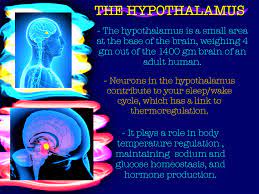 HGH Deficiency is generally the result of issues upstream.
The Hypothalamus is regarded as the control panelâau of the human body, and there is evidence that it loses its capacity to maintain optimal hormone production over time, at least regarding certain hormones such as Human Growth Hormone and Testosterone.
Growth Hormone Blockers and HGH Deficiency
Another issue that seems to exacerbate hormone decline is related to a hormone known as Somatostatin. Somatostatin is an HGH Blocker, meaning it blocks receptors on the pituitary that must be activated for Human Growth Hormone to be adequately produced.
As we grow older, our bodies become slightly more sensitive to HGH Exposure, and our pituitary glands become less effective at releasing the hormone simultaneously. Clinical research strongly suggests that Human Growth Hormone Deficiency impacts health and well-being in a significant way.
Who Needs HGH Hormone Replacement Therapy?
Human Growth Hormone Replacement Therapy is indicated for patients that suffer from Adult-Onset HGH Deficiency. For patients that experience this hormone decline more acutely, Hormone Replacement may be an effective means to preserve energy and vitality deeper into the golden years.
Suppose you feel you may suffer from the effects of Human Growth Hormone Deficiency. In that case, we encourage you to contact a qualified health professional like those at the Conscious Evolution Institute.
- 0001) Serostim Bio-identical Hgh Injections [Last Updated On: August 14th, 2025] [Originally Added On: July 31st, 2020]
- 0002) Smart And Simple Tips To Boosting Your Hgh Production [Last Updated On: August 9th, 2025] [Originally Added On: August 1st, 2020]
- 0003) Ten Tips For Naturally Enhancing Human Growth Hormone Production [Last Updated On: June 12th, 2025] [Originally Added On: August 4th, 2020]
- 0004) How To Safely Inject (HGH) Human Growth Hormone [Last Updated On: April 2nd, 2025] [Originally Added On: August 5th, 2020]
- 0005) Can Hgh Injections Help You Manage Your Weight More Effectively? [Last Updated On: June 11th, 2025] [Originally Added On: August 6th, 2020]
- 0006) Do Not Buy Hgh Sprays As Scams [Last Updated On: June 10th, 2025] [Originally Added On: August 8th, 2020]
- 0007) Can Human Growth Hormone Really Slow Down Aging? [Last Updated On: June 9th, 2025] [Originally Added On: August 9th, 2020]
- 0008) The Potential Side Effects Of Human Growth Hormone (HGH) [Last Updated On: February 16th, 2025] [Originally Added On: August 10th, 2020]
- 0009) Beware Hgh Scams: Only Use Bio-identical Growth Hormone [Last Updated On: April 22nd, 2025] [Originally Added On: August 13th, 2020]
- 0010) Human Growth Hormone Replacement Therapy For Hgh Deficiency [Last Updated On: September 11th, 2025] [Originally Added On: August 14th, 2020]
- 0011) How Does The Human Body Produce Human Growth Hormone? [Last Updated On: May 15th, 2025] [Originally Added On: August 17th, 2020]
- 0012) Do Not Buy Hgh Pills As Scams [Last Updated On: May 14th, 2025] [Originally Added On: August 18th, 2020]
- 0013) Hgh Injections From Mexico Are Dangerous And Illegal [Last Updated On: February 14th, 2025] [Originally Added On: August 19th, 2020]
- 0014) Human Growth Hormone Menopause Treatment [Last Updated On: February 20th, 2025] [Originally Added On: August 20th, 2020]
- 0015) Hgh Illegal Or Legal [Last Updated On: May 17th, 2025] [Originally Added On: August 22nd, 2020]
- 0016) How To Inject Hgh And Testosterone Safely And Easily [Last Updated On: May 13th, 2025] [Originally Added On: August 23rd, 2020]
- 0017) Human Growth Hormone Medical Research [Last Updated On: February 17th, 2025] [Originally Added On: August 24th, 2020]
- 0018) The Healing Properties Of Human Growth Hormone [Last Updated On: May 11th, 2025] [Originally Added On: August 25th, 2020]
- 0019) Hgh Therapy For Woman [Last Updated On: February 12th, 2025] [Originally Added On: August 26th, 2020]
- 0020) Hgh Therapy For Men [Last Updated On: April 19th, 2025] [Originally Added On: August 27th, 2020]
- 0021) How Does Age-related Hgh Decline Impact Health? [Last Updated On: February 17th, 2025] [Originally Added On: August 29th, 2020]
- 0022) Human Growth Hormone Injections Can Improve Joint Recovery After Injury [Last Updated On: May 10th, 2025] [Originally Added On: August 30th, 2020]
- 0023) The Anabolic And Bodybuilding Effects Of Bio-identical Hgh Injections [Last Updated On: May 9th, 2025] [Originally Added On: August 31st, 2020]
- 0024) Does Human Growth Hormone Really Have Healing Power? [Last Updated On: May 7th, 2025] [Originally Added On: September 1st, 2020]
- 0025) Getting HGH Growth Hormone Online [Last Updated On: May 8th, 2025] [Originally Added On: September 3rd, 2020]
- 0026) Buying Hgh [Last Updated On: June 4th, 2025] [Originally Added On: September 5th, 2020]
- 0027) Increase Your Potential With Hgh! [Last Updated On: June 3rd, 2025] [Originally Added On: September 6th, 2020]
- 0028) Can Bio-identical Hgh Help You Live The Life You Want? [Last Updated On: February 17th, 2025] [Originally Added On: September 8th, 2020]
- 0029) How Hgh Improves Libido [Last Updated On: February 17th, 2025] [Originally Added On: September 9th, 2020]
- 0030) Can Human Growth Hormone Speed Up Physical Rehabilitation [Last Updated On: September 17th, 2025] [Originally Added On: March 14th, 2021]
- 0031) A Beginner's Guide To Human Growth Hormone Replacement Therapy [Last Updated On: February 19th, 2025] [Originally Added On: March 16th, 2021]
- 0032) Can Hgh Injections Help You Live A Healthier And Happier Life? [Last Updated On: September 16th, 2025] [Originally Added On: March 19th, 2021]
- 0033) Buy Hgh Injections For An Introduction To Growth Hormone Therapy [Last Updated On: November 12th, 2022] [Originally Added On: March 20th, 2021]
- 0034) Improve Sexual Performance With Hgh Injections [Last Updated On: February 14th, 2025] [Originally Added On: May 12th, 2022]
- 0035) Understand The Risks Of Human Growth Hormone Overdose And Abuse [Last Updated On: October 15th, 2025] [Originally Added On: May 24th, 2022]
- 0036) Racing Ferraris – A Stressful Way to Earn a Living [Last Updated On: March 19th, 2025] [Originally Added On: July 12th, 2022]
- 0037) HGH: The Happiness Hormone [Last Updated On: March 26th, 2025] [Originally Added On: August 15th, 2022]
- 0038) Government, Contractor, and NGO Productivity, Efficiency, and HGH [Last Updated On: February 24th, 2025] [Originally Added On: September 7th, 2022]
- 0039) Without HGH, You Might as Well Be Dead [Last Updated On: March 11th, 2025] [Originally Added On: September 16th, 2022]
- 0040) Study Suggests Women Can Sniff Out Single Men [Last Updated On: April 23rd, 2025] [Originally Added On: February 17th, 2023]
- 0041) Geographic Distribution of HGH Deficiency [Last Updated On: May 3rd, 2025] [Originally Added On: July 13th, 2023]
- 0042) Sudden Onset of HGH Deficiency [Last Updated On: September 8th, 2025] [Originally Added On: September 22nd, 2023]
- 0043) The Emotional and Mental Health Effects of HGH Deficiency [Last Updated On: September 6th, 2025] [Originally Added On: September 28th, 2023]
- 0044) Understanding Hormone Replacement Therapy for Menopause [Last Updated On: January 25th, 2026] [Originally Added On: February 6th, 2025]
- 0045) Unveiling the Magic of Human Growth Hormone: A Colorful Spectrum in Medical Marvels [Last Updated On: February 16th, 2025] [Originally Added On: February 13th, 2025]
- 0046) Introduction: The Demand for Health-focused Care in Professional Environments [Last Updated On: February 15th, 2025] [Originally Added On: February 15th, 2025]
Word Count: 1618

